2× for a moderate increase
A 1000 × 750 px source becomes 2000 × 1500 px at 2×. Choose this when you need a larger image for a presentation, a web layout, or a modest crop.
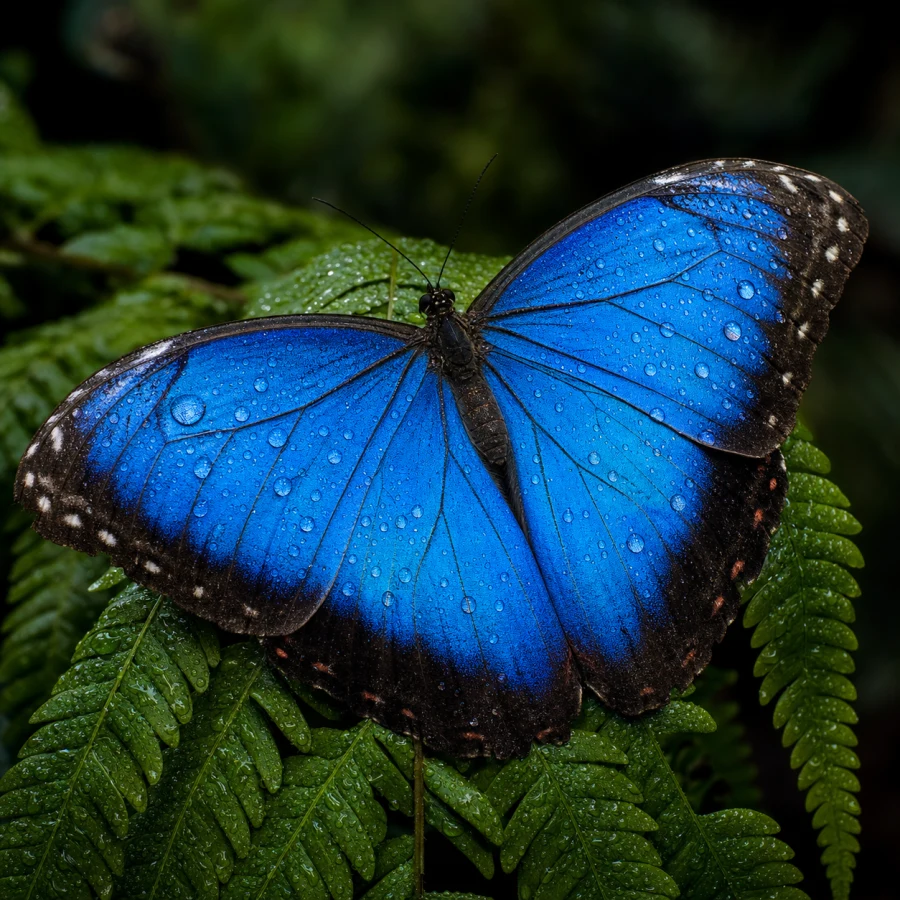

Magnific AI enlarges an existing image to 2× or 4× its dimensions. Use this online image upscaler when a photo, illustration, or generated picture is too small for the layout you want, without writing a prompt or creating a new composition.
The scale factor applies to both width and height. Start with the output dimensions your design needs.
A 1000 × 750 px source becomes 2000 × 1500 px at 2×. Choose this when you need a larger image for a presentation, a web layout, or a modest crop.
The same source becomes 4000 × 3000 px at 4×. Use it when you need more pixels for a larger placement, then review fine detail at the size the image will actually be seen.
Upload a PNG, JPG, or WebP file up to 10 MB. The tool shows the expected output size before you generate.
An original download usually provides more useful detail than a screenshot or a copy saved through a messaging app. Keep the source file so you can compare it with the enlarged result.
Choose the multiplier that fits your destination. The longest output edge must stay within 20,000 pixels. A larger file is useful only if it serves the size or crop you need.
These operations solve different problems. Match the operation to the result you want.
A conventional resizer changes pixel dimensions using resampling. An AI image upscaler also estimates image detail while enlarging the picture. Compare the result rather than judging quality by pixel count alone.
Use image editing to replace a background, change a color, or correct an object. Upscaling is intended to enlarge your selected image; it will not reliably fix a misspelled label or an incorrect design.
Compare the original and enlarged image before using the result. Look at the parts your audience will notice.
Check eyes, hair, skin texture, seams, and distinctive product markings. For a listing or portrait, the subject should remain recognizable and the details should still make sense.
Inspect illustrated outlines, small text, logos, and repeated textures. Upscaling can reinterpret fine detail, so compare these areas closely before exporting your design.
Scale factors, image quality, and choosing a useful output size.
AI upscaling can make a small image more useful at larger dimensions, but it cannot guarantee that every detail is preserved or recovered. Start with the clearest source available and compare faces, lettering, and edges in the result.
It multiplies both the width and height by four. A 1000 × 750 px image becomes 4000 × 3000 px, which is sixteen times the pixel count. It does not mean the file size will be exactly sixteen times larger.
The output depends on the source dimensions and the selected multiplier. For example, a 1920 × 1080 px source enlarged at 2× becomes 3840 × 2160 px. The tool uses 2× or 4× scaling rather than a fixed 4K crop.
It may improve the appearance of some small or soft images, but severe blur leaves little reliable detail to work with. Review the result against the original, especially when facial features or small writing need to stay accurate.
Yes. Check the final pixel dimensions against the physical print size and pixel density required by your printer. Inspect a crop or test print before committing to a large print; more pixels alone do not guarantee a sharper physical result.
Yes. Upload your selected image to the Magnific AI upscaler and choose 2× or 4×. Correct any unwanted details first, then enlarge the image you want to keep.
Upload a picture and choose the output scale that suits your design.
Upscale Image